








October 2, 2026
Full Moon Hikes in Sedona: How to Do One Safely This Fall
Full moon hikes in Sedona turn the red rocks silver. Here are fall 2026…












Closer to the trails. Away from the crowds
Stay near Bell Rock and Sedona’s most popular hikes, with a quieter setting that gives you space to explore and slow down.
Book NowModern Comfort in Sedona’s Scenic Village
Kokopelli Inn is where plans turn into real itineraries. The kind where everyone knows where to be, parking is simple, rooms are close, and the day flows without friction.
Set in the Village of Oak Creek, just minutes from Bell Rock, this is your base for group travel that feels easy from arrival to checkout. Whether you’re coordinating a reunion, hosting a small retreat, or traveling with friends who expect things to run on time, this is where it comes together.
Stay. Meet. Explore. Repeat.
Book Your Stay

Sedona Vortex Sites
Years of Red Rock Geology
Major Rock Formations in View
Visitors to Sedona Yearly
When you’re traveling with multiple people, details matter. Room proximity, shared spaces, parking, timing, access to trails and dining. It all adds up.
Kokopelli Inn is designed to simplify those decisions.
Thoughtfully designed with only the essentials, giving you a clean, comfortable stay without the extras you don’t need.











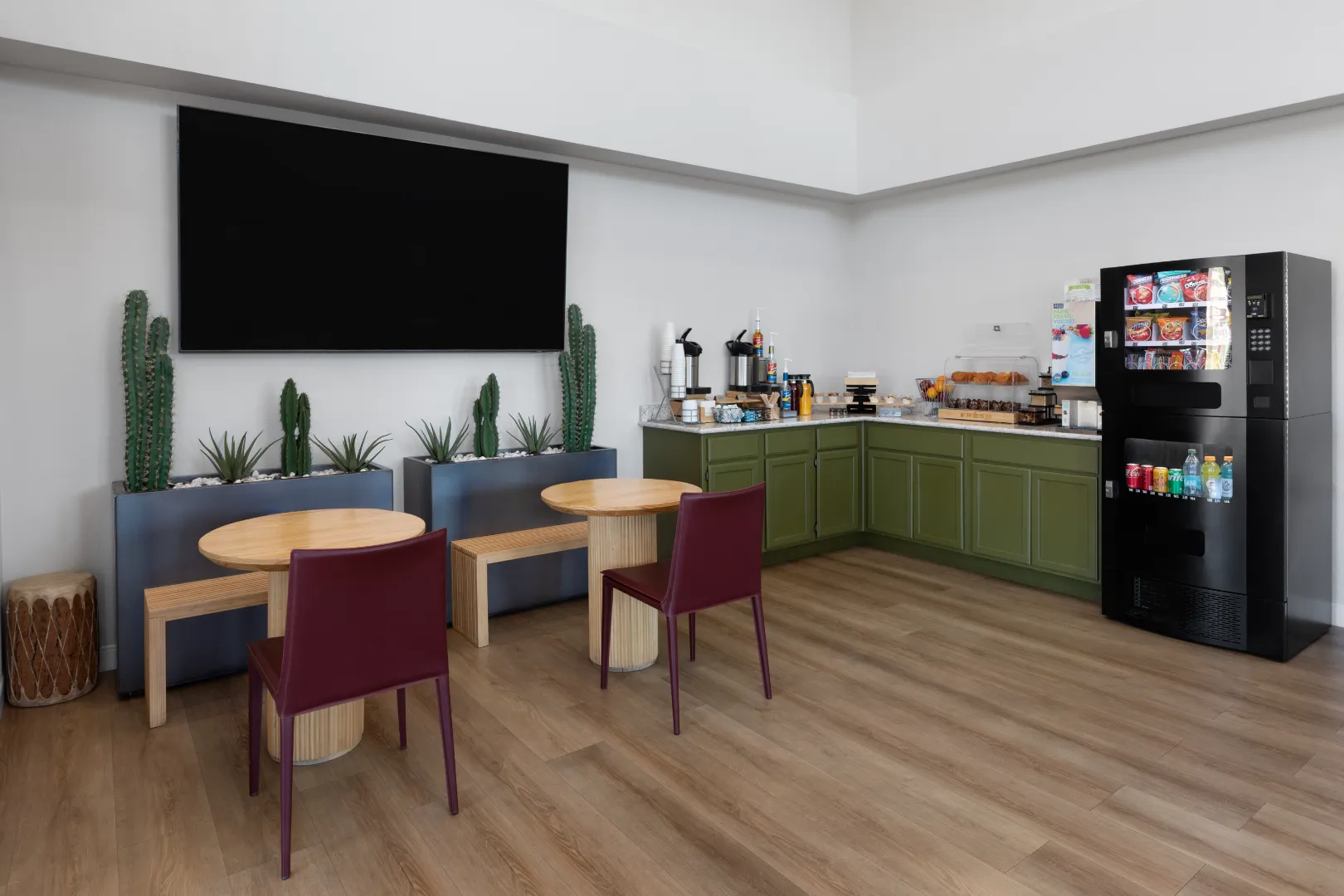

Relax by the outdoor pool and enjoy peaceful courtyard spaces.

Unwind together on the patio with a cozy firepit, perfect for relaxing group moments.

Free parking with convenient, easy access throughout your stay.

Bring your pets along and enjoy a stay that’s comfortable for everyone.
Clean, quiet, and designed for rest between plans. Whether you’re here for early hikes or late conversations, your room is set up to keep things easy.
Two queen beds for up to four guests, with comfortable linens, a mini-refrigerator and a microwave. Free high-speed Wi-Fi, a coffee and tea maker, a desk with chair…
View MoreA quiet non-smoking king room for one or two guests, with a mini-refrigerator, a microwave, free high-speed Wi-Fi and a desk with chair. Complimentary bath products and a hair…
View MoreA non-smoking king room with a view of Bell Rock and its own sitting area. Comfortable linens, a mini-refrigerator, a microwave, free high-speed Wi-Fi, a coffee and tea maker…
View MoreVillage of Oak Creek gives you the best of Sedona without the chaos. You’re minutes from Bell Rock and some of the area’s most accessible trails, with nearby dining, golf, and scenic drives all within easy reach. Close enough to explore everything. Far enough to stay relaxed.


Full moon hikes in Sedona turn the red rocks silver. Here are fall 2026…
Bell Rock vs. Cathedral Rock: an easy red rock walk or a steep hands-on…

Collab With Us
Kokopelli Inn Sedona is located at 6465 Highway 179 in Sedona, Arizona, in the Village of Oak Creek, near Bell Rock and popular hiking trails.
Yes, the hotel is near Sedona’s red rock formations, wineries, hiking trails, and local dining spots.
Yes, complimentary high-speed Wi-Fi is available throughout the property.
Rooms include a mini-refrigerator, microwave, coffee maker, flat-screen TV, desk, hair dryer, and bath products.
Yes, the hotel is suitable for families and offers amenities like a pool.

free night giveaway
Enter for a chance to win a complimentary night at Kokopelli Inn Sedona. One email, one entry.
No purchase necessary.